| Name of Youth Empowerment Center, Youth Group, Youth Club or Youth-led Organization | Moses Kiti |
|---|
| Email Address: | Email hidden; Javascript is required. |
|---|
| Phone | +254714820775 |
|---|
| Location (City or Town): | Kilifi |
|---|
| County | Kilifi |
|---|
| Team Leader: | Moses Kiti |
|---|
| Innovation Title | Pad Her |
|---|
| Focus Area | Promoting Sexual and Reproductive Health and Rights (SRHR), including maternal health |
|---|
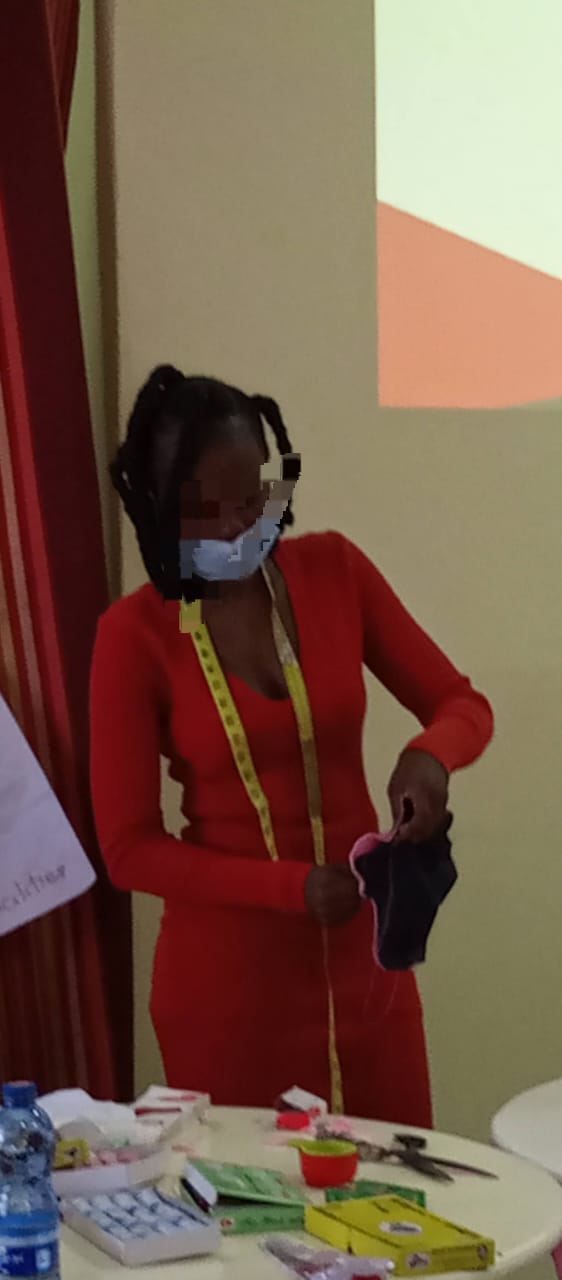
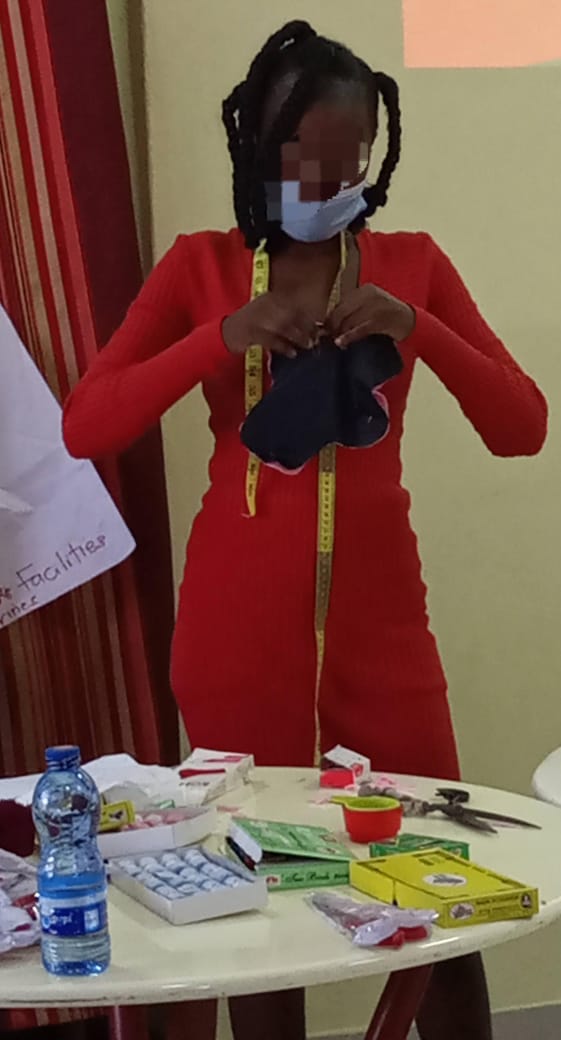
| Innovation Description: | Pad Her is a program to designed to reduce the financial burden of monthly purchases, minimize environmental waste, and often provide a more comfortable and chemical-free alternative, contributing to long-term well-being and ecological conservation.
Reusable menstrual products are crucial for sustainable menstrual health. Offering comfort, cost-effectiveness, and environmental friendliness, they reduce waste, empower users economically, and provide a reusable, eco-friendly alternative to disposable options, contributing to a healthier planet and improved menstrual hygiene
Key Features:
Sustainability: Reusable menstrual products significantly reduce the environmental impact associated with disposable options, such as pads and tampons. They minimize waste and contribute to sustainability efforts.
Cost-Effectiveness: While the initial investment may be higher, the long lifespan of the reusable product makes them cost-effective over time. Users save money on monthly supplies and contribute to reducing their lifetime menstrual product expenditure.
Comfort and Health: Reusable products are often more comfortable than traditional options. They are free from chemicals, fragrances, and additives, reducing the risk of skin irritation and allergic reactions.
Empowerment and Education: Menstrual health innovation involves education and awareness programs that empower individuals with knowledge about their bodies and menstrual cycles. This helps combat stigma and ensures informed choices.
Addressing Focus Areas:
Accessibility: Reusable menstrual products address accessibility challenges by providing a sustainable option that can be used for an extended period, reducing the need for frequent purchases.
Environmental Impact: By reducing the reliance on disposable products, menstrual health innovation aligns with broader environmental sustainability goals, contributing to the reduction of plastic waste and pollution
Economic Empowerment: The cost-effectiveness of reusable products contributes to economic empowerment, particularly in resource-limited settings where the recurring cost of disposable options can be a significant burden
Education and Empowerment: Menstrual health innovation promotes education and empowerment, fostering a positive menstrual culture and challenging societal taboos, especially for women
|
|---|
| Uniqueness and Innovation: | Reusable menstrual products represent a unique and innovative departure from traditional disposable options. Unlike single-use alternatives, reusable products, such as menstrual cups and cloth pads, are sustainable, reducing environmental impact by minimizing waste. Innovatively, they offer long-term cost savings, empowering users economically. Additionally, these products prioritize comfort, health, and convenience, often being free from chemicals and additives. Their user-centric design aligns with the growing emphasis on eco-conscious and sustainable living, marking a shift towards holistic menstrual health solutions. Reusable menstrual products not only challenge the status quo but also redefine menstrual care, embracing a more environmentally friendly, cost-effective, and user-centered approach
|
|---|
| Impact and Scalability: | Menstrual reusable products can have a transformative impact on the chosen focus areas of menstrual health, sustainability, and economic empowerment. They offer a sustainable solution, reducing the environmental footprint of menstrual waste, aligning with global efforts towards eco-friendly practices. Economically, the cost-effectiveness of reusable products empowers individuals, especially in resource-constrained settings, making menstrual hygiene more accessible.
To adopt these products on a larger scale, awareness campaigns emphasizing their benefits should be launched, targeting both consumers and policymakers. Inclusion in public health programs, especially in schools and community health initiatives, can ensure widespread availability and education. Collaboration with NGOs, government, and private sector partners can drive affordability and distribution. By normalizing reusable menstrual products through education, accessibility, and advocacy, we can create a paradigm shift in menstrual health, fostering a sustainable, inclusive, and economically empowering approach on a global scale.
|
|---|
| Implementation Plan: | 1. Assessment and Research (Months 1-2):
Milestone: Conduct a comprehensive needs assessment and research on menstrual health practices, environmental impact, and economic barriers.
Timeline: Two months.
Resources: Research team, surveys, and community engagement tools.
2. Education and Awareness Campaign (Months 3-4):
Milestone: Launch an awareness campaign emphasizing the benefits of reusable products, targeting schools, community centers, and healthcare facilities.
Timeline: Two months.
Resources: Marketing materials, workshops, and community outreach teams.
3. Product Accessibility (Months 5-8):
Milestone: Establish distribution channels, collaborate with local vendors, and secure partnerships for affordable access.
Timeline: Four months.
Resources: Distribution network, partnerships, and financial resources for subsidized products.
4. Training and Capacity Building (Months 9-10):
Milestone: Train educators, and community leaders on menstrual health education and the use of reusable products.
Timeline: Two months.
Resources: Training materials, workshops, and qualified trainers.
5. Monitoring and Evaluation (Months 11-12):
Milestone: Implement monitoring and evaluation mechanisms to assess the impact on menstrual health, waste reduction, and economic empowerment.
Timeline: Two months.
Resources: Data collection tools, evaluation teams
Challenges and Mitigation:
1. Cultural Resistance
Mitigation: Implement culturally sensitive education programs, involving community leaders and influencers to endorse the benefits.
2. Affordability Barriers
Mitigation: Seek funding from governmental bodies, NGOs, and private sponsors to subsidize the initial cost of reusable products.
3. Limited Awareness
Mitigation: Prioritize a robust awareness campaign using various media channels, engaging with local influencers, and leveraging community networks.
4. Supply Chain Issues
Mitigation: Establish resilient supply chains, considering local production where possible, securing backup plans for distribution
|
|---|
| Supporting Materials: | |
|---|
| Confirmation: | - By submitting this form, you confirm that the information provided is accurate and complete to the best of your knowledge.
|
|---|

Nduta Waweru