10 Important Things Young People Should Know About STIs
 Life Yangu
Sexually transmitted infections (STIs) are infections that are mainly passed from one person to another through sexual contact. These infections include; Gonorrhoea, chlamydia, syphilis, herpes simplex among others. Signs and symptoms vary according to the infection.
Here are 10 important points about STIs that every young person should know.
-
Anyone who is sexually active can get an STI
STIs do not choose people based on age, gender, or background. If someone has unprotected vaginal, anal, or oral sex, they can get an STI. This is why understanding prevention is very important.

-
STIs are more common among young people
Young people aged 15–24 experience a large number of new STI infections globally. This often happens because of limited information, fear of testing, or not using protection consistently.
-
Many STIs do not show symptoms
One of the most important things to know is that many STIs do not cause obvious symptoms. A person may feel completely healthy but still have an infection and pass it to others. Regular testing helps detect infections early.
-
Common signs and symptoms to watch for
When symptoms do appear, they may include unusual discharge from the vagina or penis, sores or bumps around the genitals or mouth, pain during urination, itching in the genital area, lower abdominal pain, or unusual bleeding. If you notice any of these, it is important to seek medical advice.
-
STIs can spread through different types of sexual contact
STIs can be transmitted through vaginal, anal, and oral sex, and sometimes through skin-to-skin contact with infected areas. Sharing needles or sharp objects can also spread certain infections.
-
Condoms help prevent STIs
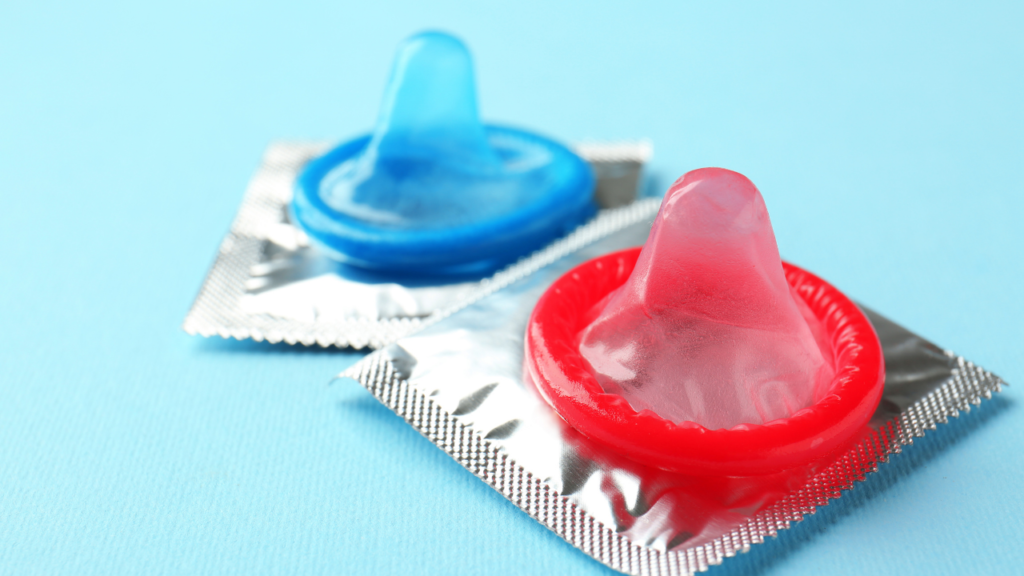
Using condoms consistently and correctly every time you have sex significantly reduces the risk of many STIs. Condoms act as a barrier that prevents the exchange of body fluids that may carry infections.
-
Testing is an important part of sexual health
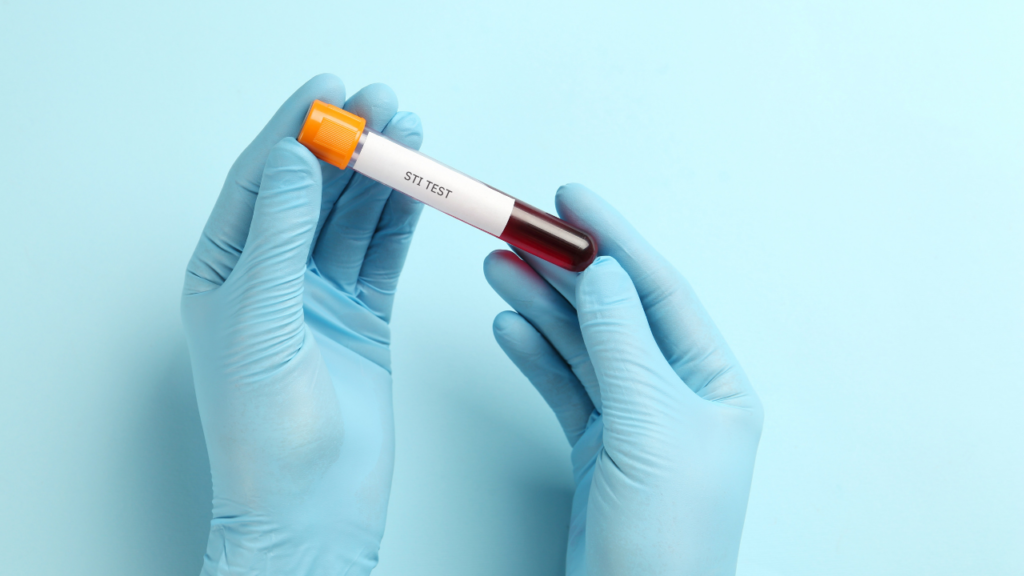
Getting tested for STIs is simple, confidential, and usually quick. Testing may involve urine samples, blood tests, or swabs. Young people who are sexually active should consider testing regularly, especially when entering new relationships.
-
Many STIs are treatable and some are curable
Several STIs can be treated effectively with medication. Bacterial infections such as chlamydia, gonorrhea, and syphilis can often be cured with proper treatment. Others, like HIV or herpes, cannot be cured but can be managed with medical care.
-
Untreated STIs can cause long-term health problems
If STIs are not treated early, they can lead to serious complications such as infertility, chronic pelvic pain, pregnancy complications, and increased risk of other infections. Early diagnosis and treatment help prevent these problems.
-
Protecting your health is responsible and empowering
Learning about STIs, using protection, getting vaccinated when available, and seeking testing when needed are responsible choices. Talking openly with healthcare providers and trusted adults can help you stay informed and safe.
Remember: Knowledge, protection, and regular health check-ups are key to preventing STIs and maintaining good sexual and reproductive health. Taking care of your health today helps protect your future.